Introduction
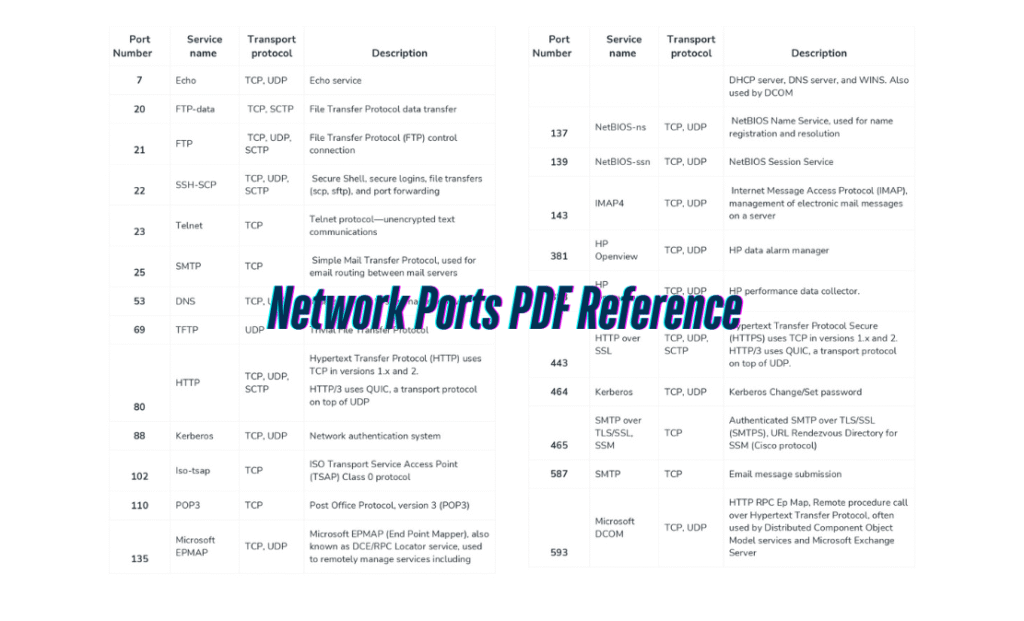
Ever felt overwhelmed by the maze of network ports and protocols? Whether you’re troubleshooting a firewall, configuring services, or studying for certifications, knowing your ports is non-negotiable. That’s why we’ve created the Network Ports PDF Reference—a free, comprehensive guide to TCP/UDP ports, protocols, and their real-world applications.
Why This Guide?
Network ports are the backbone of digital communication, acting as gateways for data between devices and services. This PDF simplifies complexity by offering:
- Quick Access: No more Googling port numbers mid-task.
- Clarity: Clear explanations of protocols like TCP, UDP, and their use cases.
- Troubleshooting Aid: Resolve connectivity issues faster with organized port data.
- Security Support: Identify risky open ports and tighten network defenses.
What’s Inside the PDF?
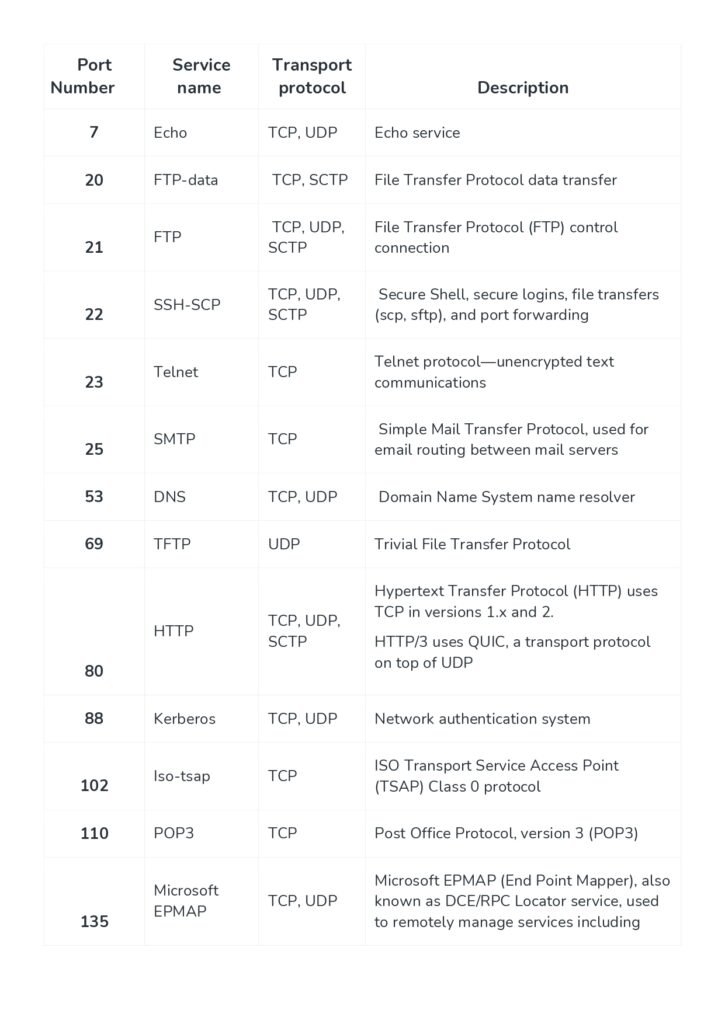
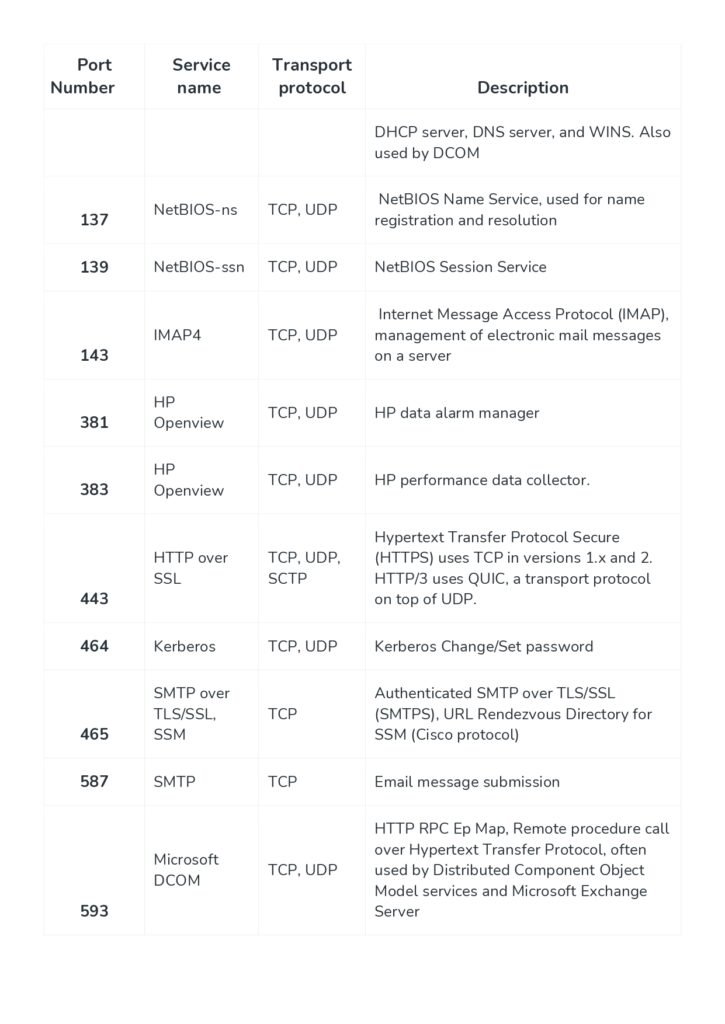
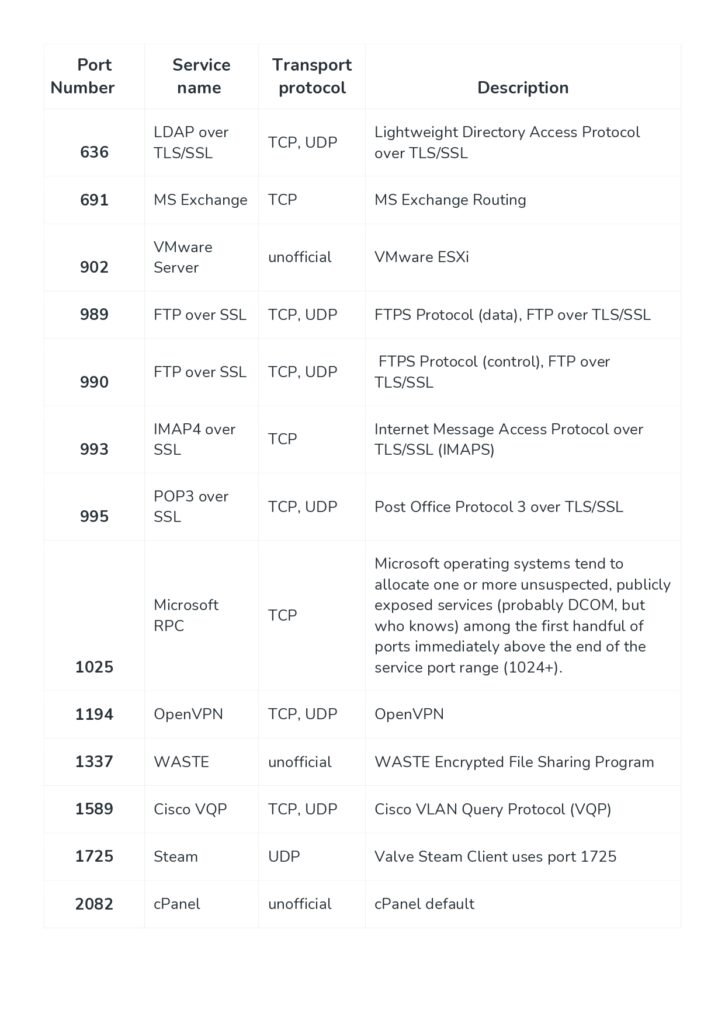
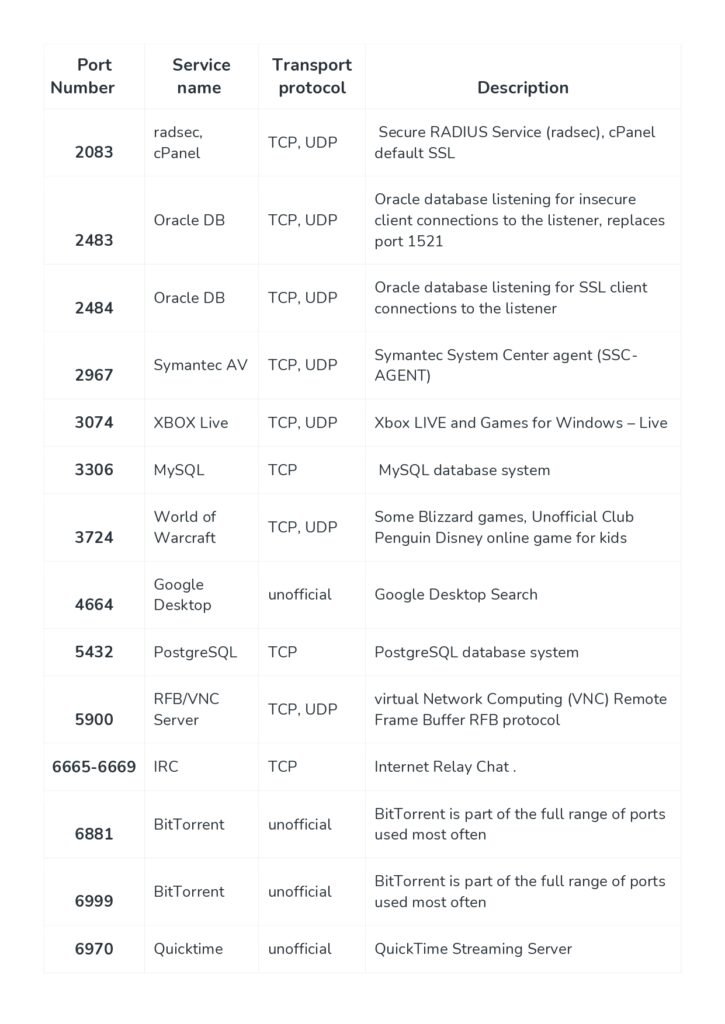
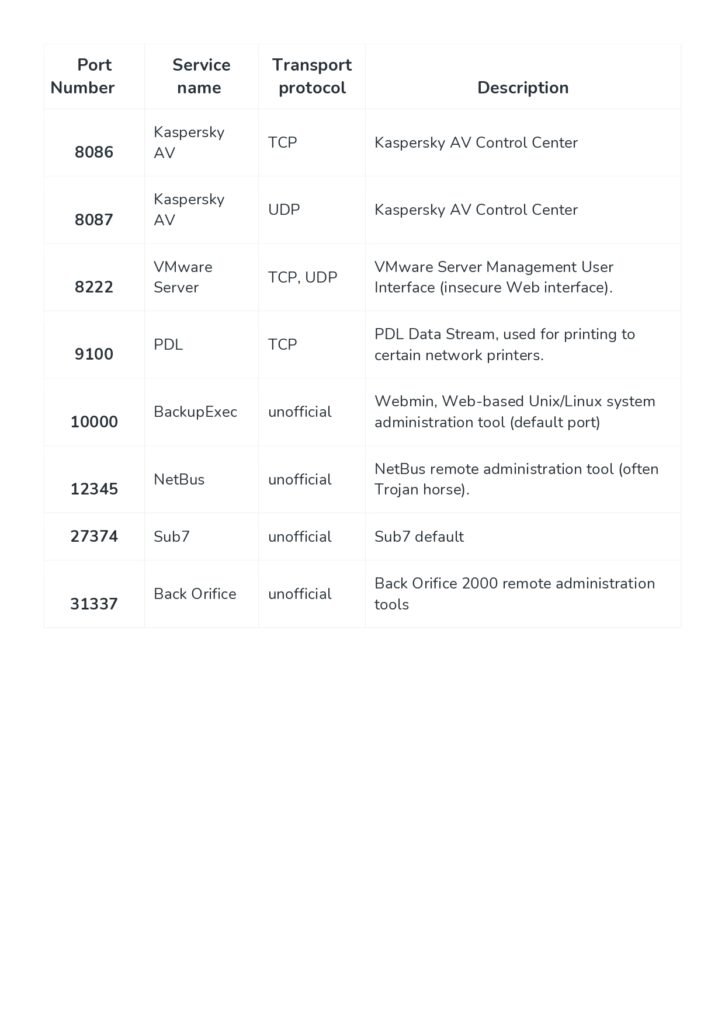
This cheat sheet covers 100+ ports across critical protocols, including:
- Port Number
- The numeric ID (e.g., 80 for HTTP, 443 for HTTPS).
- Protocol
- TCP vs. UDP—know which protocol your service relies on.
- Application/Service
- Common uses (e.g., Port 22 = SSH, Port 53 = DNS).
- Description
- Key details: Is the port secure? Is it often targeted by malware?
Featured Protocols:
- Web & Email: HTTP (80), HTTPS (443), SMTP (25), IMAP (143).
- Security: SSH (22), RDP (3389), IPSec (500/4500).
- Gaming/Streaming: Steam (27015), Xbox Live (3074).
- Enterprise: LDAP (389), SQL Server (1433), NTP (123).
Who Needs This?
- Network Admins: Configure firewalls and troubleshoot faster.
- IT Teams: Secure networks by auditing open ports.
- Students: Ace exams like CCNA, CompTIA Network+, or AWS certifications.
- Developers: Debug API connections or containerized apps.
How to Download
Click the link below to grab your FREE Network Ports PDF Reference and keep it handy for your next project:
Download Now
Final Thoughts
Ports are the unsung heroes of networking—small in number, massive in impact. Bookmark this guide, share it with your team, and say goodbye to port-related headaches!
Pro Tip: Pair this PDF with tools like nmap or Wireshark for deeper network analysis.
Questions? Ask in the comments—we’ll help you decode any port! 🔍